Designing Inclusively: How Brands Can Create Welcoming Spaces for Children with ADHD
Once upon a time, in a bustling world of brands and experiences, a group of designers realised that many children - especially those with ADHD, were missing out. Their environments, filled with bright lights and loud noises, often overwhelmed these kids rather than inviting them in.
Driven by empathy and curiosity, the designers set out to understand what makes a space truly inclusive. They learned that these children need spaces that respect their unique senses - spaces where they can choose what to explore, find calm when overwhelmed, and play freely without judgment.
And so, they created environments with simple forms, calming colors, and adaptable features - spaces where children could control the light, sound, and touch. They incorporated puzzles, calming retreats, and safe zones, ensuring every child's needs were met. Through collaboration with specialists and input from children and caregivers, the experience evolved, becoming more intuitive and welcoming.
This is a story of innovation, empathy, and hope - showing that when we listen and design thoughtfully, every child can play, learn, and thrive.
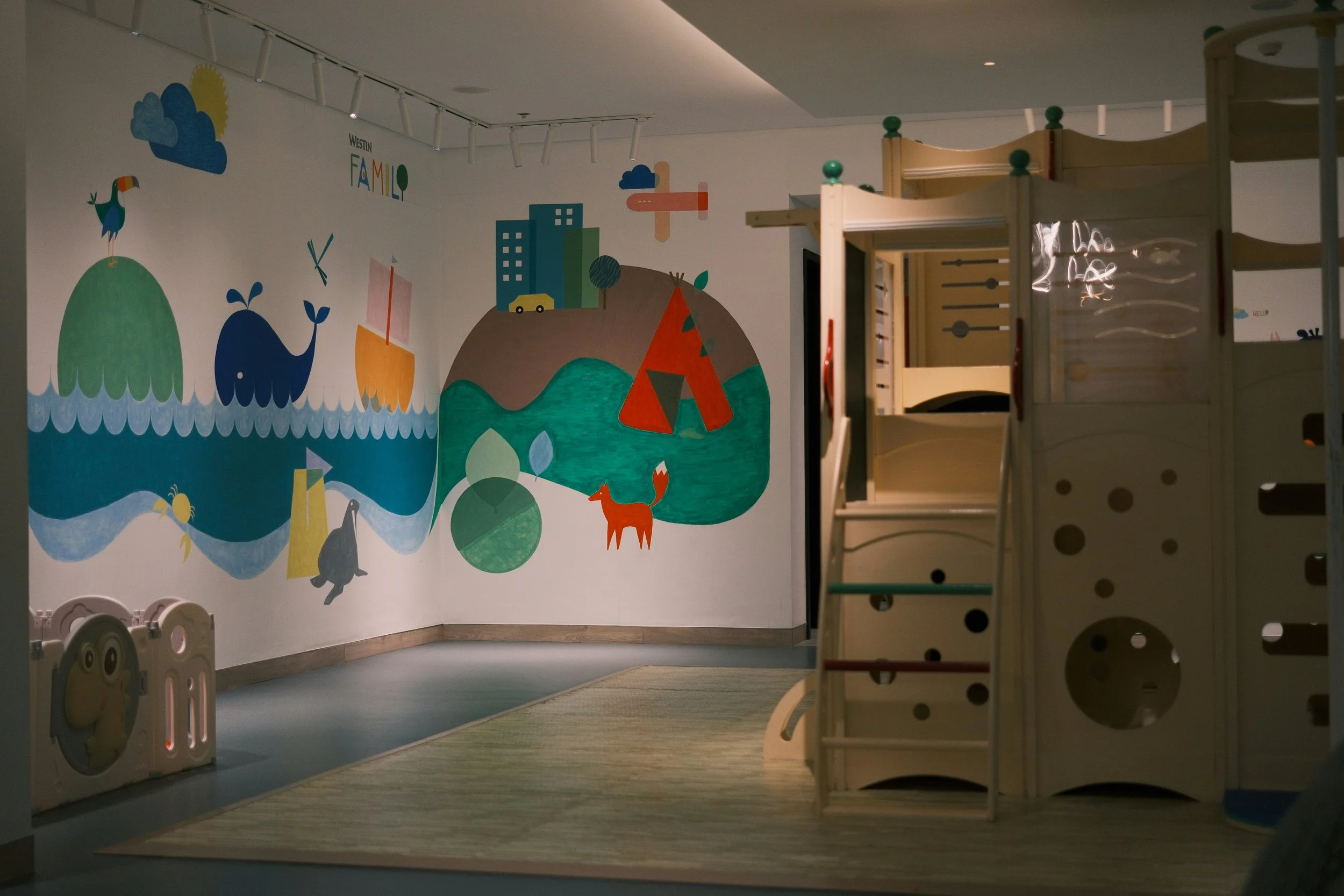
The Power of Inclusive Design: Understanding Sensory Needs
Designing spaces for children with ADHD isn’t just about making environments look appealing - it’s about understanding their unique sensory worlds. Children with ADHD often experience sensory overload, where bright lights, loud noises, or busy visuals can cause stress or withdrawal, rather than engagement.
To create spaces that are truly welcoming, brands must consider the following key factors:
1. Recognise Sensory Variability
Every child with ADHD is different. Some may seek sensory input, while others need calm and tranquility. Designing for inclusion means offering options rather than a one-size-fits-all approach.
2. Minimise Overstimulation
Busy visuals, loud sounds, and unpredictable lighting can be overwhelming. Using muted, calming colors like soft blues and greens can help reduce sensory overload. Incorporating quiet zones or retreat spaces allows children to escape if they feel overwhelmed.
3. Empower Children with Control
Children should have agency over their environment. Dimmable lights, noise-canceling headphones, tactile objects, and adjustable partitions help them regulate their sensory input actively.
4. Foster Predictability and Clarity
Clear signage, consistent layouts, and intuitive wayfinding reduce confusion. Using color coding and visual cues helps children navigate spaces independently and confidently.
5. Collaborate with Experts and Families
Involving child psychologists, special educators, and caregivers in the design process ensures that spaces address real needs. Their insights help create environments that are both functional and sensitive.
Practical Steps for Brands to Build Inclusive Spaces
- Start with Research: Understand the specific needs of your target audience through interviews, observations, and collaborations with specialists.
- Simplify and Clarify: Use minimalistic designs, neutral tones, and predictable layouts.
- Provide Control: Incorporate adjustable lighting and sound systems.
- Design for Flexibility: Include movable partitions, adaptable furniture, and multiple activity zones.
- Create Calm Zones: Designate quiet, cozy areas with soft furnishings and calming decor.
- Gather Feedback: Regularly observe how children interact with the space and refine accordingly.
Conclusion
Creating inclusive branded experiences for children with ADHD is a journey rooted in empathy, understanding, and thoughtful design. It’s about more than aesthetics - it's about building environments that respect their sensory worlds, empower their agency, and foster joy and learning.
By prioritizing these principles, brands can turn ordinary spaces into extraordinary places where every child feels safe, supported, and inspired to play freely and authentically.
Because when we design with compassion, we open doors to a world of possibilities for every child.